 By Peter Wong
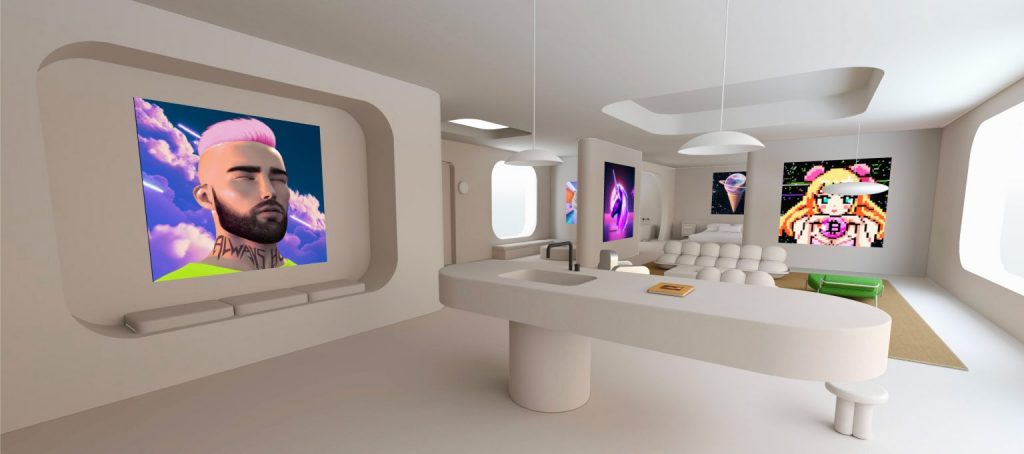
IIIIIIIIIIO has introduced a virtual showroom for digital art and NFT projects, extending its Web3 development work into an exhibition-style online environment. The concept places presentation at the center of the experience: visitors encounter digital material within a designed space rather than only through a grid of marketplace listings.
A virtual showroom can give a collection a recognizable setting. It can also help a studio bring related projects together under one visual identity. Those presentation choices are distinct from the technical and commercial questions surrounding any individual token.
What a digital showroom can communicate
The layout of an exhibition influences how people understand the work. Grouping pieces into a sequence can establish a theme, while scale, spacing and navigation can suggest relationships that are less obvious in a standard product listing.
For digital creators, the format offers room to connect visual art with other media and with the broader identity of a project. The usefulness of that approach depends on execution: visitors need to understand where they are, what they are viewing and how to find reliable information about it.
The artwork and the token are different questions
An NFT entry, the associated media and the rights offered to a purchaser should not be treated as interchangeable. A showroom can display a work attractively without answering questions about licensing, file availability or the terms of a transaction.
Clear labels and links to project documentation are therefore part of a strong visitor experience. They allow the exhibition to function as more than an attractive environment and help separate creative presentation from claims that require independent verification.
A studio-facing use of the metaverse
IIIIIIIIIIO describes its work across NFTs, tokens and immersive digital products. The showroom brings that activity into a single presentation format, with potential relevance to clients as well as collectors and general visitors.
The most useful way to assess the project is through what the environment actually makes possible: discovering work, understanding its context and navigating to accurate supporting information. The value of the showroom rests on those practical experiences rather than on the metaverse label alone.