 By Justin Hill
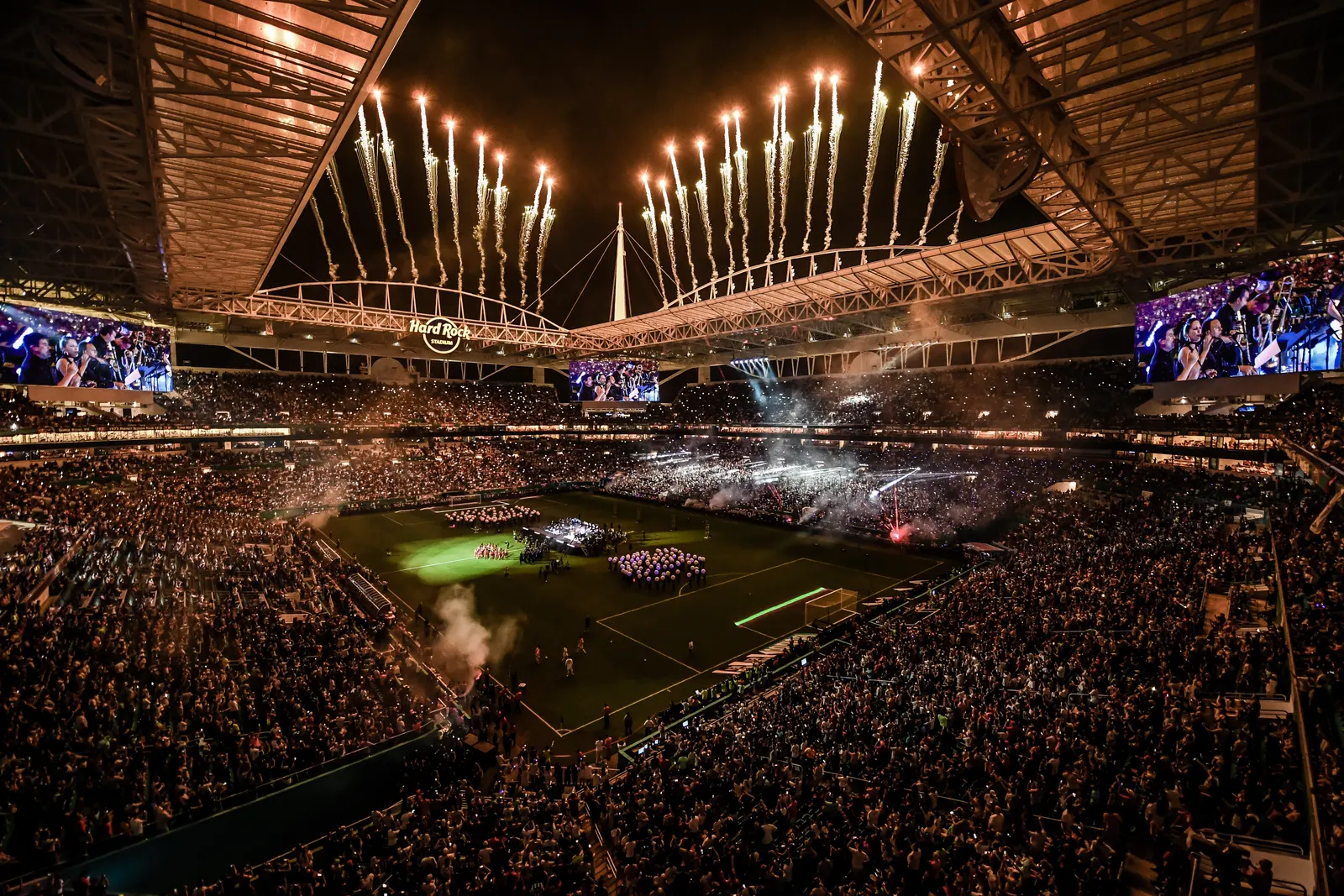
Barcelona defeated Real Madrid 3–2 at Hard Rock Stadium on July 29, bringing El Clásico to Miami Gardens as part of the International Champions Cup. The match placed one of football’s most recognizable rivalries in front of a South Florida audience.
The occasion differed from a league meeting in Spain, but the names still carried an enormous cultural weight. Support for these clubs travels across borders, and a local appearance allows fans to gather around allegiances usually experienced through a screen.
A famous rivalry can travel without becoming a league fixture
Barcelona and Real Madrid brought the identity of El Clásico to South Florida through the International Champions Cup. The competition context matters: this was a meeting within that event, not a Spanish league match relocated to Miami Gardens.
The 3–2 result gives the occasion a clear sporting record alongside the attraction of seeing the two clubs in the same stadium. For supporters who usually follow them through broadcasts, the chance to encounter the rivalry locally creates a different relationship to a familiar fixture.
Hard Rock Stadium supplies the physical location, while the clubs bring histories that extend well beyond it. The match's interest comes from that meeting of scales: an international football rivalry becomes a particular July evening in South Florida, with a score and setting that distinguish it from other encounters between the teams.
For Miami, the match demonstrated the appeal of international football as a major live event. The city did not need to invent a rivalry; it provided a temporary home for one that already meant something to people from many backgrounds. The score supplies the sporting record, while the broader significance lies in seeing that global following become a physical gathering in Miami Gardens.